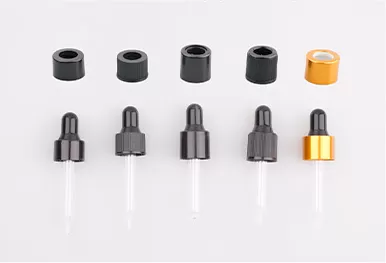
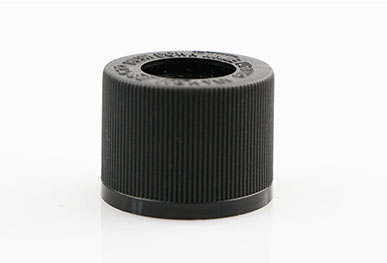
A single accidental ingestion can change a family forever. Standard caps fail children’s curiosity. Child resistant caps provide a proven barrier between hazardous products and little hands. Child resistant caps are specially designed closures that require a specific combination of actions—such as pushing down while turning—to open, making them significantly more difficult for young children to access but manageable for adults. They serve as a critical safety layer in packaging. Safety in the home begins long before a product reaches the shelf, and packaging decisions play a decisive role. Understanding how these closures function, why they are indispensable, and where they belong reveals their true value in protecting families.
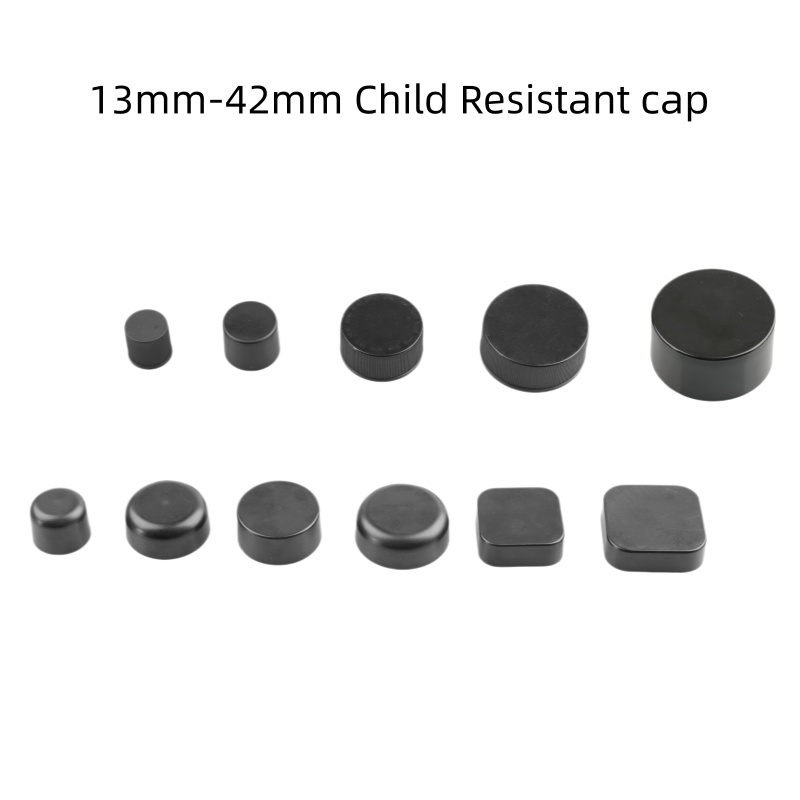
What Is a Child Resistant Cap?
Hazardous household products look like toys to toddlers, and simple screw tops offer no real defense. Without a deliberate safety mechanism, accidental poisonings become a terrifying statistic. Recognizing what defines a child resistant cap sets the foundation for smarter packaging choices.
A child resistant cap is a closure system engineered to meet international testing standards such as ISO 8317 and 16 CFR §1700.20, requiring a coordinated sequence of movements—typically push-and-turn or squeeze-and-turn—to open. It is not childproof but significantly delays access, buying precious time for adult intervention.

Behind the term lies a strict regulatory and design framework. Unlike standard continuous-thread caps, child resistant closures incorporate an interlocking mechanism that defeats a child’s natural instinct to simply twist. A panel of tested children, aged 42 to 51 months, must fail to open the package in a specified time frame before the design earns certification. This testing rigor transforms a simple plastic component into a life-saving device.
Certifications That Define Child Resistance
Regulatory bodies in the United States, Europe, and beyond mandate that certain product categories use certified child resistant packaging. Compliance is not optional—it is a legal and ethical obligation. Manufacturers must submit cap and bottle combinations to accredited laboratories for protocol testing, and batch production must consistently replicate the approved design.
How Do Child Resistant Caps Work?
Frustration at an unyielding cap tests adult patience daily, yet that very friction is a deliberate design feature. When dexterity and coordination are required simultaneously, curious children hit a physical barrier. Examining the dual-action mechanism demystifies how these closures outperform ordinary caps.
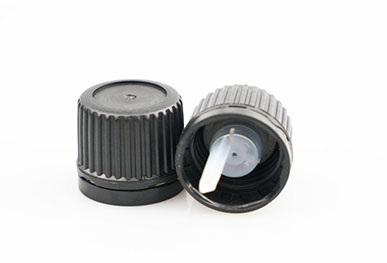
Child resistant caps work by engaging two distinct motions at once, most commonly a downward axial push combined with a rotational turn. The cap features a two-piece structure where the outer shell spins freely unless compressed to engage an inner clutch, coupling the actions needed to overcome the locking lugs and thread off the closure.
The genius resides in a nested design where an outer cap and an inner cap interact only under pressure. When a user presses down, teeth or lugs on the two components align, allowing torque to transmit to the threaded inner cap. Releasing pressure disengages the clutch, and the outer cap spins harmlessly. This push-and-turn principle dominates pharmaceutical and chemical packaging, while some designs employ a squeeze-and-turn variant for flexible bottles.
Common Clutch Mechanisms in Modern Caps
| Mechanism Type | How It Engages | Typical Design |
|---|
| Push-and-Turn | Axial force aligns internal lugs | Two-piece rigid cap |
| Squeeze-and-Turn | Radial compression on side tabs | Flexible overcap with inner thread |
| Line-Up Arrows | Cognitive step of aligning marks before turning | Senior-friendly CR caps |
The Role of Precision Manufacturing
Reliable child resistance demands exacting tolerances. Too loose a clutch, and the cap fails testing; too tight, and elderly or arthritic users cannot open it. Nantong Sizhe Plastic Industry employs over thirty injection molding machines and a dedicated dust-free assembly environment to maintain the dimensional consistency that these safety mechanisms require. Every production batch must mirror the certified master sample, a discipline that separates compliant suppliers from the rest.
Why Are Child Resistant Caps Necessary?
Curiosity drives a toddler’s exploration, and the medicine cabinet becomes a dangerous treasure hunt. A single oversight during a moment of distraction can lead to irreversible harm. Child resistant caps add an essential layer of protection that stands between vulnerability and tragedy.
Child resistant caps are necessary because accidental poisoning remains a leading cause of injury among children under five. By requiring coordinated actions beyond a child’s developmental capacity, these caps delay or prevent ingestion long enough for caregivers to intervene. They are mandated by law for many prescription drugs, OTC medications, and household chemicals.
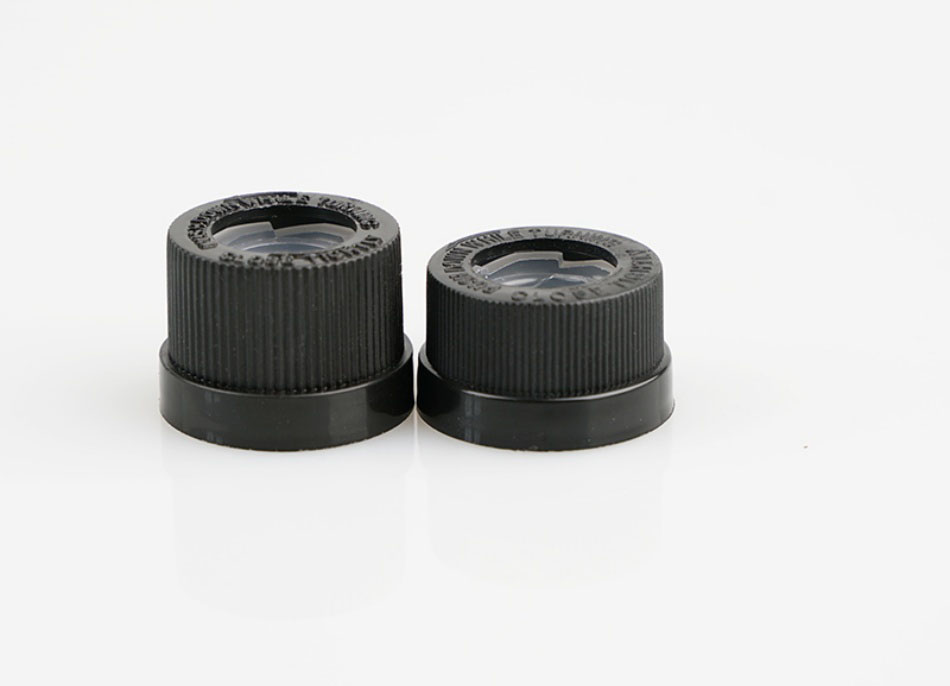
The necessity extends far beyond individual households into public health policy. Poison control centers report thousands of emergency calls annually involving common products like acetaminophen, essential oils, and cleaning agents. While no closure can replace vigilant supervision, the combination of education and engineered safety has demonstrably reduced childhood poisoning rates since the introduction of the Poison Prevention Packaging Act. The cap acts as the last line of defense when all other safeguards lapse.
Balancing Safety with Accessibility
The design challenge is not simply to block every opening attempt—that would render the package useless. Instead, the target is a five-minute window of resistance against determined toddlers while preserving reasonable access for adults, including seniors with reduced hand strength. Test protocols explicitly measure both sides of this equation, demanding an 85% failure rate among children alongside a 90% success rate among older adults. Achieving this balance requires sophisticated materials and iterative prototyping, capabilities that Nantong Sizhe Plastic Industry refines through over fifteen years of packaging development.
Common Uses of Child Resistant Caps
Walking through any home reveals dozens of products that pose hidden risks to children, yet many remain sealed only with basic closures. The gap between what is regulated and what is responsible packaging continues to narrow as awareness grows. Mapping the common applications of child resistant caps highlights where these safety solutions deliver the greatest impact.
Child resistant caps are commonly used for prescription pharmaceuticals, over-the-counter pain relievers, cannabis and CBD products, nicotine liquids, household cleaners, pesticides, and automotive chemicals. Any product containing substances that could cause serious harm through ingestion, skin contact, or inhalation benefits from CR closure integration.
Regulatory mandates drive adoption in defined categories, but market forces increasingly extend the reach of child resistant packaging. Brands voluntarily adopting CR closures for vitamins, essential oils, and cosmetic serums signal a commitment to consumer safety that strengthens brand reputation. The specific cap design must align with both the product’s chemical profile and the bottle’s neck finish to maintain seal integrity alongside child resistance.
Product Categories That Demand Child Resistant Closures
| Category | Examples | Regulatory Driver |
|---|
| Pharmaceuticals | Opioids, antidepressants, OTC analgesics | PPPA (US), ISO 8317 |
| Cannabis & Nicotine | Edibles, vape liquids, CBD tinctures | State and federal mandates |
| Household Chemicals | Bleach, antifreeze, pesticides | Consumer product safety laws |
| Wellness & Beauty | High-potency serums, essential oils | Brand safety commitment |
Integrating Safety Into Brand Identity
Adding a child resistant cap need not compromise branding or user experience. Modern designs accommodate custom colors, soft-touch finishes, and ergonomic shapes that differentiate products on crowded shelves while protecting end users. Nantong Sizhe Plastic Industry supports this integration by offering customizable CR solutions that pass international testing protocols, serving clients across Europe, North America, and Asia with production capacity backed by a 12,000-square-meter facility and a higher-standard dust-free workshop.
Conclusion
Child resistant caps transform everyday packaging into a powerful safety barrier. Thoughtful design, precision manufacturing, and regulatory alignment work together to protect families while preserving product integrity and brand trust.