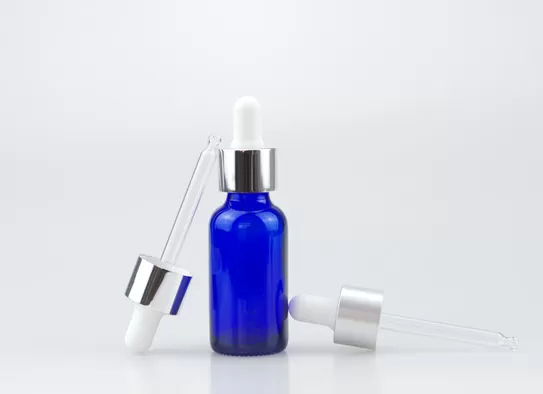
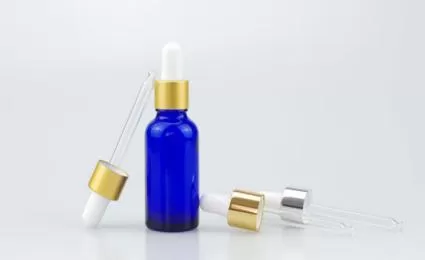
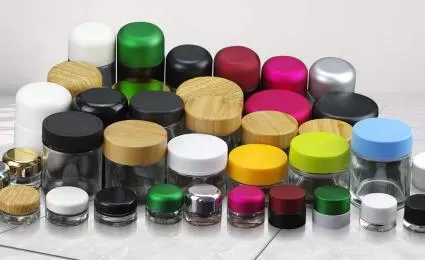
Imprecise dispensing causes product waste and messy application. Without control, essential oils and serums lose value. A dropper cap solves this by offering exact drop-by-drop precision. A dropper cap is a closure system featuring a rubber bulb and glass pipette or plastic orifice reducer, designed to dispense liquids in controlled drops. It securely seals bottles while allowing consumers to extract and apply precise amounts of product without spillage. From pharmaceutical tinctures to luxury serums, the right closure defines user satisfaction and product integrity. The following sections unpack the mechanism, types, and selection criteria that make dropper caps an indispensable packaging solution.

What Is a Dropper Cap and How Does It Work?
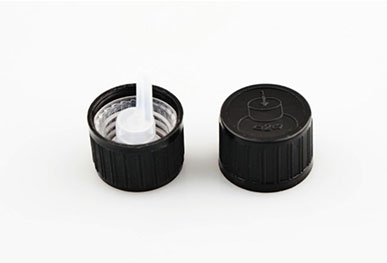
Many users struggle with drip control, risking contamination and dosage errors. Without understanding the mechanism, frustration rises. A closer look at dropper cap design reveals how simple suction ensures clean, accurate dispensing. A dropper cap works by using a rubber bulb and pipette: squeezing the bulb expels air, releasing it draws liquid up through a glass or plastic tube. Re-squeezing dispenses controlled drops. It provides an airtight seal when tightened, preserving product integrity. Behind the straightforward action lies precise component engineering. The assembly combines a rubber bulb that creates vacuum, a glass or plastic pipette to hold volume, a cap closure to seal the bottle neck, and often an orifice reducer to control flow. The interplay of these parts determines reliability across thousands of uses.

How the Suction Cycle Maintains Accuracy
The bulb’s elasticity must withstand repeated compression while resisting chemical degradation. Glass pipettes offer superior transparency and chemical resistance for aggressive formulas like essential oils; plastic pipettes provide a shatterproof alternative. Manufacturers such as Nantong Sizhe Plastic Industry employ high-precision injection molding and dust-free assembly to keep tolerances tight and contamination risks low. This technical rigor translates directly into flawless drop-by-drop performance for the end user.
Main Types of Dropper Caps and Their Applications
Selecting the wrong cap type leads to leaks or chemical incompatibility, eroding consumer trust. Such failures result in costly product returns. Knowing the main dropper cap types ensures a perfect pairing with any liquid formula.
Common dropper cap types include glass pipette with rubber bulb, plastic pipette droppers, child-resistant caps, and measured-dose droppers. They serve pharmaceuticals, essential oils, cosmetic serums, e-liquids, and laboratory reagents, each requiring specific material and safety features.
Each variant is engineered to balance safety, compatibility, and user convenience. The choice between glass and plastic pipettes often hinges on formula aggressiveness, while safety caps address regulatory demands for products like CBD oils or nicotine liquids. Design flexibility further supports brand differentiation in crowded markets.
Overview of Dropper Cap Types and Their Use Cases
| Type | Key Feature | Typical Applications |
|---|
| Glass Pipette & Rubber Bulb | High chemical resistance, crystal clear | Serums, essential oils, strong tinctures |
| Plastic Pipette Dropper | Shatterproof, cost-effective | Mild cosmetics, oral care liquids, reagents |
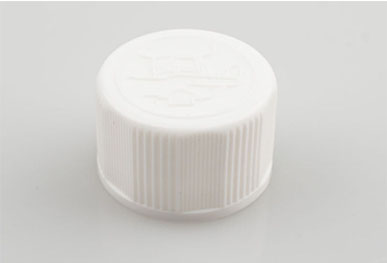
| Child-Resistant Dropper | Push-and-turn or squeeze-lock safety | E-liquids, high-potency supplements |
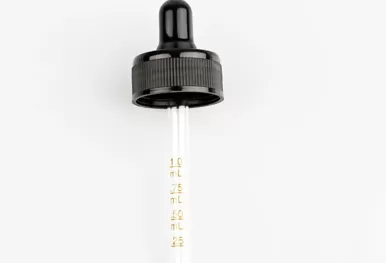
| Measured-Dose Dropper | Graduated pipette for exact volume | Pediatric medicines, laboratory dosing |
Matching the Cap to the Product
A serum containing retinol demands a glass pipette to avoid interaction, while a family-friendly mouthwash benefits from a plastic dropper with child-resistant features. Nantong Sizhe Plastic Industry supplies all these configurations with customizable bulb colors and cap finishes, enabling brands to meet both functional and aesthetic requirements without compromise.
Key Benefits of Using Dropper Caps in Product Packaging
Poor packaging accelerates spoilage and frustrates users with spills. A single leaking bottle can tarnish a brand’s image. Dropper caps deliver precise dispensing, extended shelf life, and an enhanced user experience. Key benefits include controlled dosing to reduce waste, air-tight sealing to preserve potency, tamper-evident options for safety, and premium aesthetic appeal. They elevate perceived product value while ensuring safe, hygienic use for sensitive liquids like serums and tinctures.

The value of a dropper cap extends far beyond basic closing. It becomes a daily touchpoint between the brand and the consumer, where reliable performance builds loyalty. When engineered properly, a dropper cap simultaneously protects the formula and simplifies the application ritual.
Precision Dosing: Minimizes overuse, extends product life, and improves efficacy.
Airtight Sealing: Prevents oxidation and microbial ingress, preserving actives.
Tamper Evidence: Assures safety and builds consumer confidence instantly.
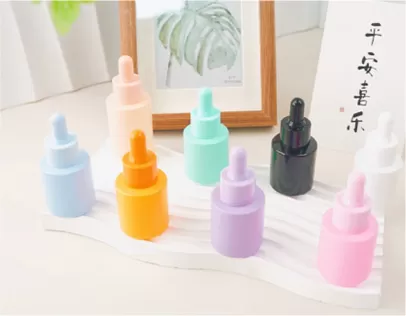
Elevated Aesthetics: Conveys quality through teardrop bulbs and polished closures.
Quality Manufacturing Amplifies These Benefits
Consistent drop size relies on calibrated pipette diameters and uniform bulb Shore hardness. Nantong Sizhe Plastic Industry validates these parameters through automated assembly lines and strict quality checks, ensuring every cap performs identically. This attention to detail transforms an ordinary closure into a competitive advantage, reducing customer complaints related to leakage or inconsistent flow.
How to Choose the Right Dropper Cap for Your Brand
Endless cap options can overwhelm packaging decision-makers. A mismatched cap risks poor functionality and dilutes brand identity. A systematic evaluation of material, neck size, and design ensures the ideal dropper cap selection.
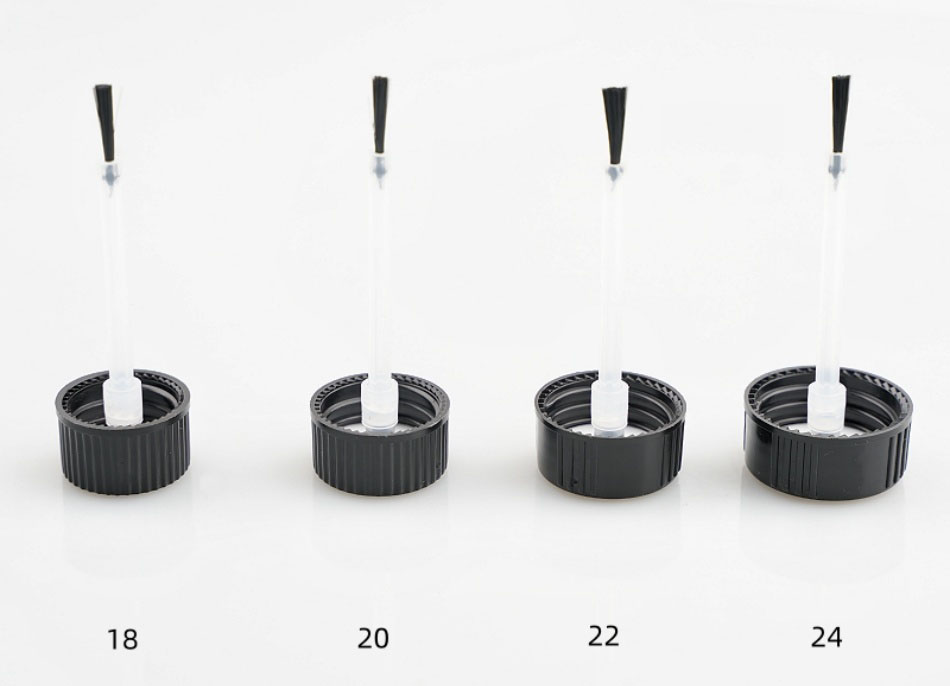
To choose the right dropper cap, assess bottle neck finish (e.g., 18/415, 20/410), chemical compatibility (glass vs. plastic pipette), user demographics (child-resistant if needed), and branding aesthetics (colored bulbs, custom closure shapes). Always verify with a packaging supplier sample.
A structured selection process removes guesswork and prevents costly compatibility errors. Starting with precise bottle specifications and ending with real-world testing, each step narrows the field to a cap that performs reliably from filling line to end consumer.
A Step-by-Step Selection Framework
| Step | Key Factor | Actionable Consideration |
|---|
| 1 | Neck Finish & Dimensions | Match cap thread to bottle (e.g., 18/415) for a leak-proof seal |
| 2 | Material Compatibility | Test pipette and bulb against formula to avoid swelling or clouding |
| 3 | Safety Requirements | Choose child-resistant certification if product warrants it |
| 4 | Branding & Customization | Select bulb color, cap shape, and finish that reflect positioning |
| 5 | Sample Validation | Conduct drop-size, leakage, and torque testing before mass order |
The Supplier Partnership Advantage
Collaborating with an experienced manufacturer simplifies this matrix. Nantong Sizhe Plastic Industry offers technical guidance from mold design to final decoration, backed by over 30 injection molding machines and a dedicated dust-free workshop. This capability ensures that even highly customized dropper caps consistently meet international quality standards for markets in Europe, North America, and Asia.
Conclusion
Dropper caps deliver precise, safe liquid dispensing through thoughtful engineering. Selecting the right type and partnering with a proven manufacturer ensures superior user experience and lasting brand trust.