



Sustainability Highlight in Our Plastic Cap
Nantong Size Plastic Co., Ltd., founded in 2015 with its predecessor dating back to 2008, has long been committed to sustainable development. Focusing on eco-friendly material innovation, resource recycling and clean production, it has achieved remarkable results in biodegradability and reuse.
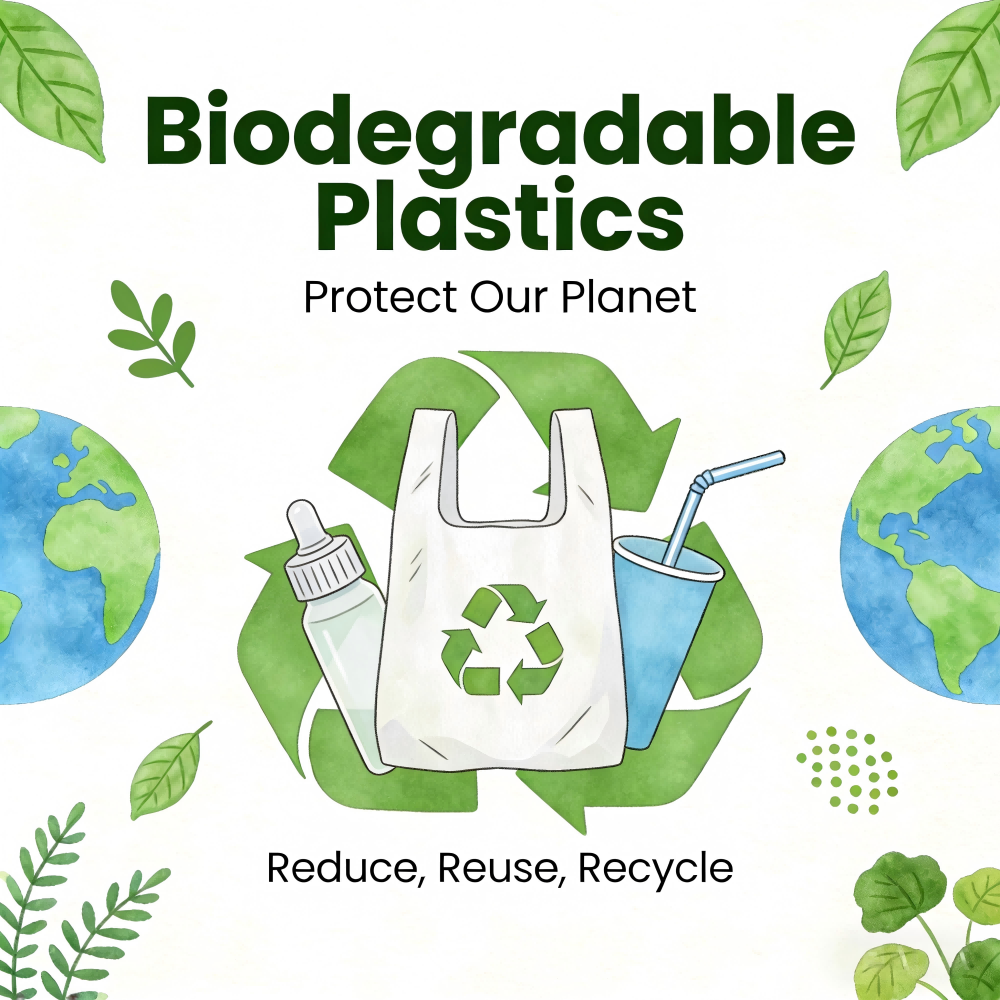
In terms of products, the company focuses on developing biodegradable plastic caps and seals using plant-based materials such as PLA and PHA. These products decompose naturally within 180–360 days under industrial composting conditions, replacing traditional petroleum-based plastics. Its food-grade packaging uses single-type materials without composite coatings, making them easy for mechanical recycling and reuse.
Technologically, the company draws support from 46 patents to empower the circular economy: it optimizes molding processes through AI and 3D modeling to reduce material waste; adopts imported equipment from Germany and Japan as well as energy-saving technologies to lower unit energy consumption; and uses patented 3D printing secondary molding technology to repair defective parts and extend product lifecycles.
In production, strict pollution control is implemented, equipped with a standardized waste gas, wastewater and waste residue treatment system, and the company continuously passes environmental inspections. The recycling rate of production waste exceeds 90%. Leftover materials and defective products are sorted, granulated and reused in the production of non-food-contact products.
The company’s eco-friendly products are exported worldwide and meet stringent international standards, promoting the application of green plastics. Upholding the philosophy of “building a truly responsible enterprise, not just one with a glossy appearance”, it integrates sustainability into its core development. Through targeted R&D, eco-friendly material selection and circular production, Nantong Suze Plastic makes solid contributions to plastic reduction, carbon reduction and the development of a circular economy.